
Exploring Urban Landscapes Through a Lens
Chosen theme: Exploring Urban Landscapes Through a Lens. Step into the city’s living mosaic—light, texture, movement, and human stories—captured with intent. Follow along, share your frames, and subscribe to keep this visual conversation alive.
Seeing the City: Composition in Motion
Leading Lines and Vanishing Points
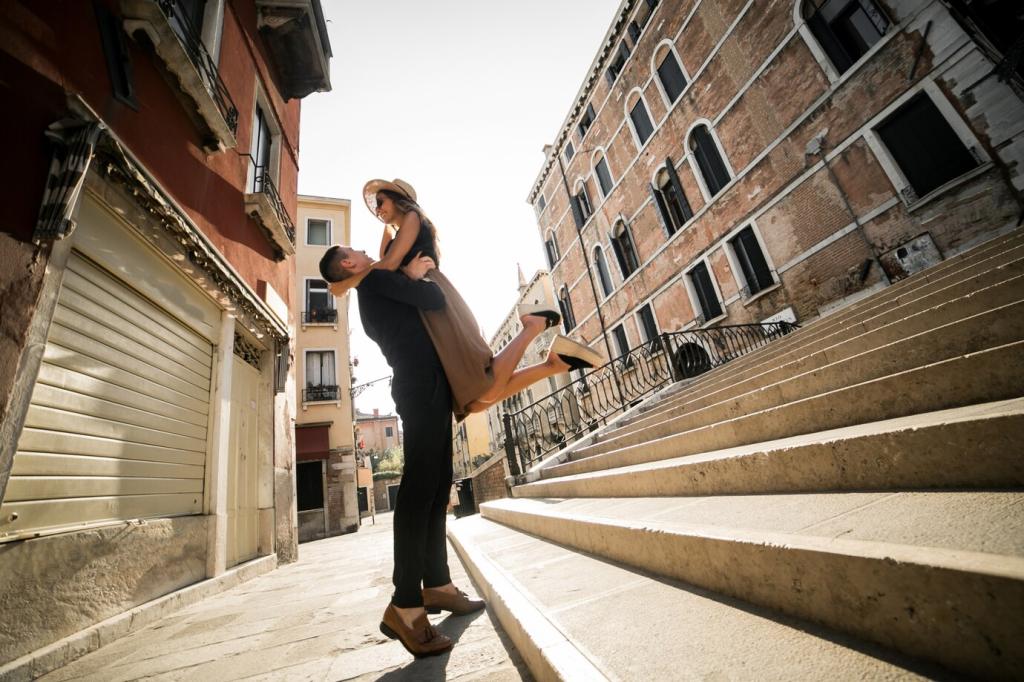
Subway rails, crosswalk stripes, and bridge cables naturally steer the eye toward a vanishing point, creating gravity within your frame. Try kneeling near curb level, exaggerating perspective, then share your strongest converging-lines photo in the comments to spark technique-driven discussion.
Framing with Architecture and Negative Space
Doorways, archways, and shadowed alleys make powerful frames that isolate your subject from the visual noise of downtown life. Pair tight frames with pockets of sky or blank walls to let subjects breathe. Post your favorite before-and-after crop to invite thoughtful peer feedback.
Balancing Motion and Stillness
Blend a long exposure of traffic streams with an anchored subject—statue, waiting commuter, or bike rack—to show time and tension together. Experiment with shutter drag and a tripod-free brace. Tell us what shutter speed felt right and subscribe for weekly motion exercises.
Light Choreography in Concrete Canyons
Golden hour warms brick, softens skin tones, and kisses edges of fire escapes, while blue hour deepens reflections and ignites signage. Schedule a back-to-back walk to compare moods. Share your pair of frames and vote on which hour best tells your urban story today.
After rain, puddles translate skyscrapers into impressionist paintings. Use shop windows for layered reflections, blending passersby with interior light. Angle slightly off-axis to avoid self-portrait glare. Tag us with your most surprising reflection and tell readers what angle finally clicked.
Harsh midday sun carves fearless shadows. Embrace graphic shapes under awnings, bus stops, and scaffolding. Spot-meter on highlights, let blacks go bold, and simplify backgrounds. Challenge yourself to a midday-only series and comment with your favorite shadow geometry discovery.
Stories on the Street: Ethical Urban Photography
Respect, Consent, and Context
Laws differ by country and city, but respect travels everywhere. Ask when appropriate, offer a quick preview, and honor a clear no. Context matters—avoid demeaning portrayals. Share your approach to consent and subscribe for our evolving ethics checklist and community perspectives.
Invisible Presence: Candid Without Intrusion
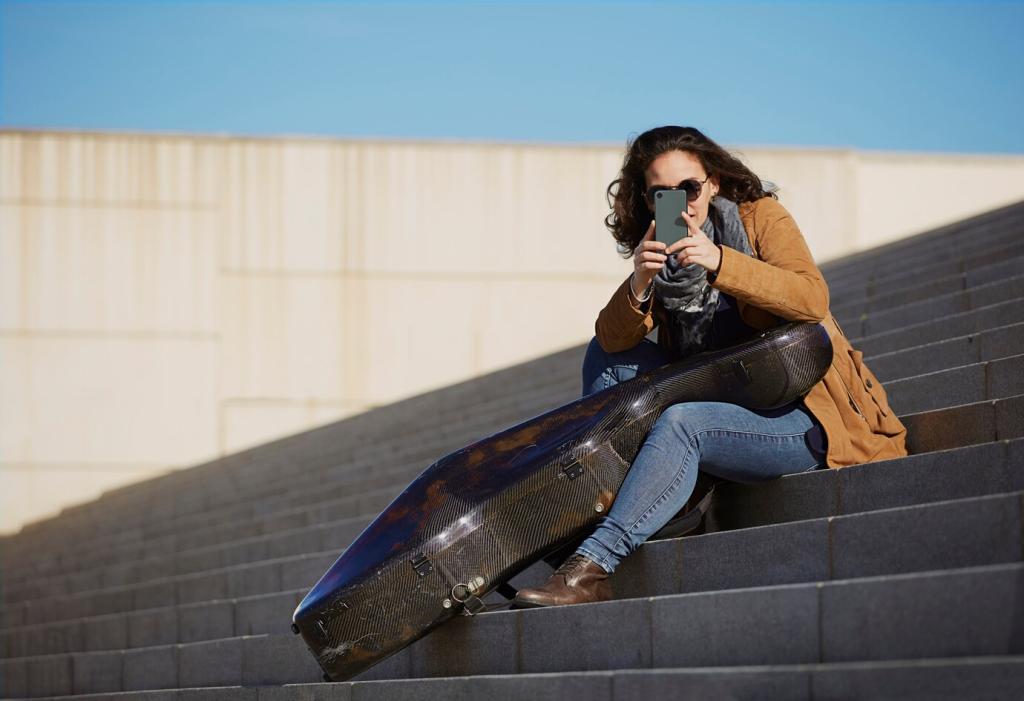
Work quiet: a small prime lens, gentle body language, and short bursts instead of long stares. Anticipate moments at crosswalks or bus stops where stories naturally unfold. Tell us how you minimize disruption, and recommend a tip that helps newcomers remain respectfully unseen.
Sharing Responsibly Online
Blur sensitive details when needed, remove geotags for vulnerable locations, and write captions that add nuance rather than judgment. Encourage featured subjects to contact you for prints. Start a dialogue below on best practices and add your favorite resources for responsible posting.

Color, Monochrome, and Mood
Chromatic Contrasts in Neon Streets
Seek complementary colors—teal train seats versus orange jackets, or red stoplights against cyan dusk. Let color relationships carry narrative weight. Post your strongest color pair and explain how it influenced your subject choice or frame position on a crowded corner.
When Black and White Wins
Strip color to reveal geometry, texture, and gesture—perfect for stairwells, scaffolding, and crosswalk choreography. Push contrast for decisive forms. Share a color-to-monochrome comparison and tell us how removing hue changed the emotional temperature of your final sequence.
Consistent Looks in Post
Craft a repeatable workflow: baseline exposure, gentle contrast, restrained color grade, and lens correction. Make a preset for the project, not the platform. Drop your go-to steps and subscribe for our downloadable checklists designed for cohesive urban storytelling.
From Contact Sheet to Story: Sequencing Your Urban Series
Choose one hero image to set tone, two supporting scenes for context, and transitional frames that move us between streets. Aim for emotional continuity. Share your anchor image and invite readers to suggest which supporting photo strengthens the story arc most convincingly.
From Contact Sheet to Story: Sequencing Your Urban Series
Alternate bold, high-energy frames with pauses—empty benches, fogged windows, or an elevator glow—to let viewers breathe. Repeat motifs sparingly for rhythm. Post a mini-sequence of five images and ask the community where they felt the narrative inhale and exhale.
From Contact Sheet to Story: Sequencing Your Urban Series
Turn your edit into a zine, a single-scroll web story, or a pop-up hallway exhibit. Add captions that deepen place and time. Share your publishing plan, invite collaborators, and subscribe to join our monthly critique session dedicated to urban landscape storytelling.